
‘Abysmal condition’ - why the Upper Murrumbidgee River needs you to respond to the Independent Review Panel Issues Paper
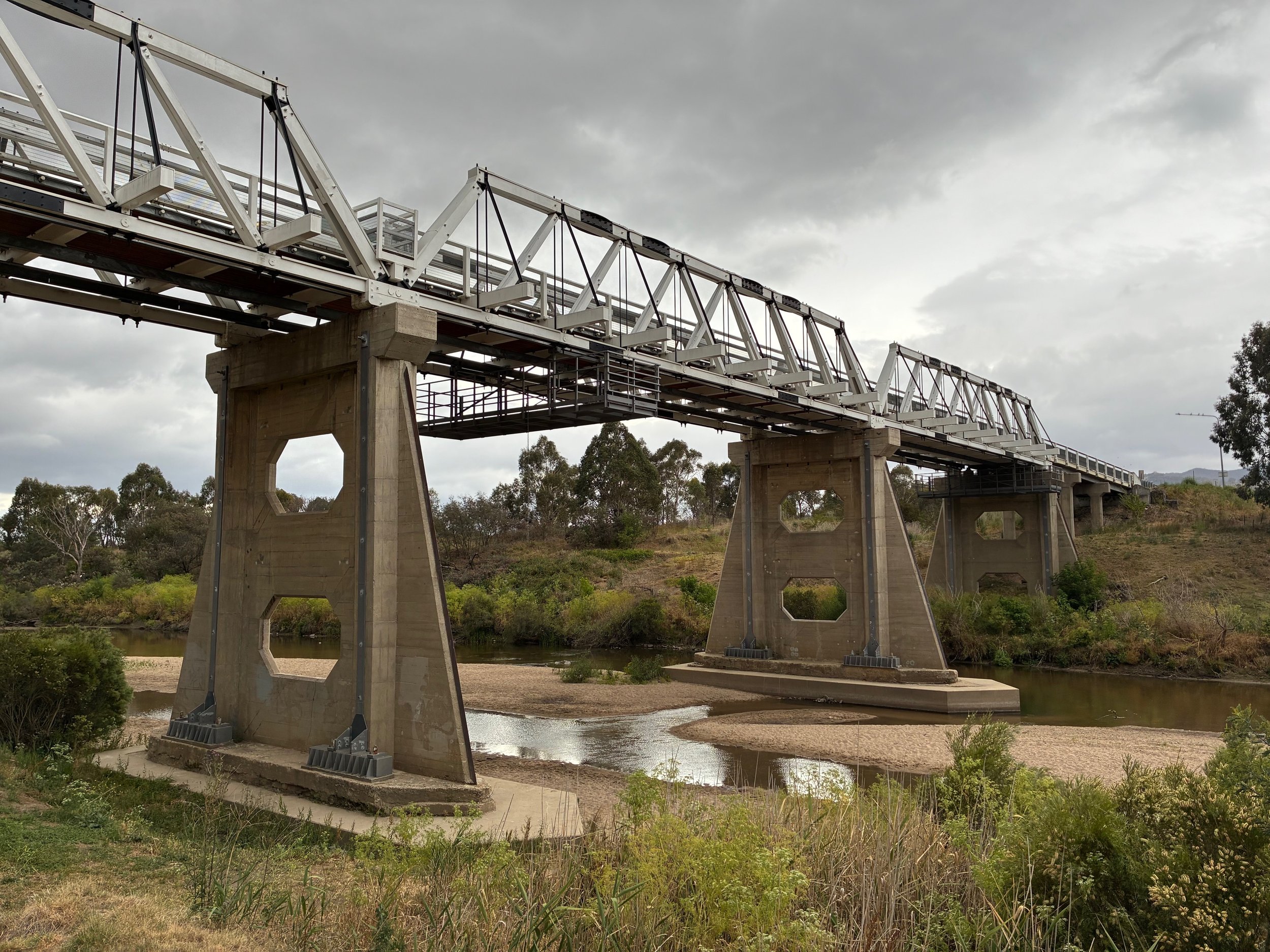
Dried pools of water lie at Tharwa Bridge (ACT) in December 2025.
The Upper Murrumbidgee River needs your help
The Upper Murrumbidgee River is one of the ACT and region’s most important lifelines. It supports endangered species, sustains communities, and provides drinking water for thousands of people. Yet, according to an independent federal review, the river is in “abysmal condition” and the system designed to protect it is failing.
This moment matters. For the first time in more than 20 years, the Snowy Water Inquiry Outcomes Implementation Deed, the legal agreement governing water flows from the Snowy Scheme is under formal review. The Independent Review Panel is asking the public to have their say, and submissions close on 13 February 2026.
If you care about water security, river health, or the future of the Upper Murrumbidgee, this review needs your voice.
“Abysmal condition”: what the evidence tells us
The Independent Review Panel does not mince words:
“The Upper Murrumbidgee River is in abysmal condition, and the current management framework is failing to deliver the environmental, social and cultural outcomes that were originally intended.”
Key findings include:
On average, 93% of the river’s natural flow is diverted at Tantangara Dam and in some years, up to 99% is taken out of the river system.
The environmental condition of the Upper Murrumbidgee, from its headwaters to Burrinjuck Dam, is unacceptable.
Reduced flows have led to sand build-up, degraded habitat, and growing risks to endangered species, including Macquarie perch.
The review concludes that under current arrangements, environmental values are declining trajectory and water quality continues to worsen - in essence we are watching the river die.
When a river runs dry, communities suffer
This is not a distant or theoretical problem.
In 2019, the Murrumbidgee stopped flowing at Tharwa Bridge — a cease-to-flow event so severe that drinking water had to be trucked into the township of Tharwa. The review warns that climate change, population growth, and increasing demand will make these events more frequent unless water management changes.
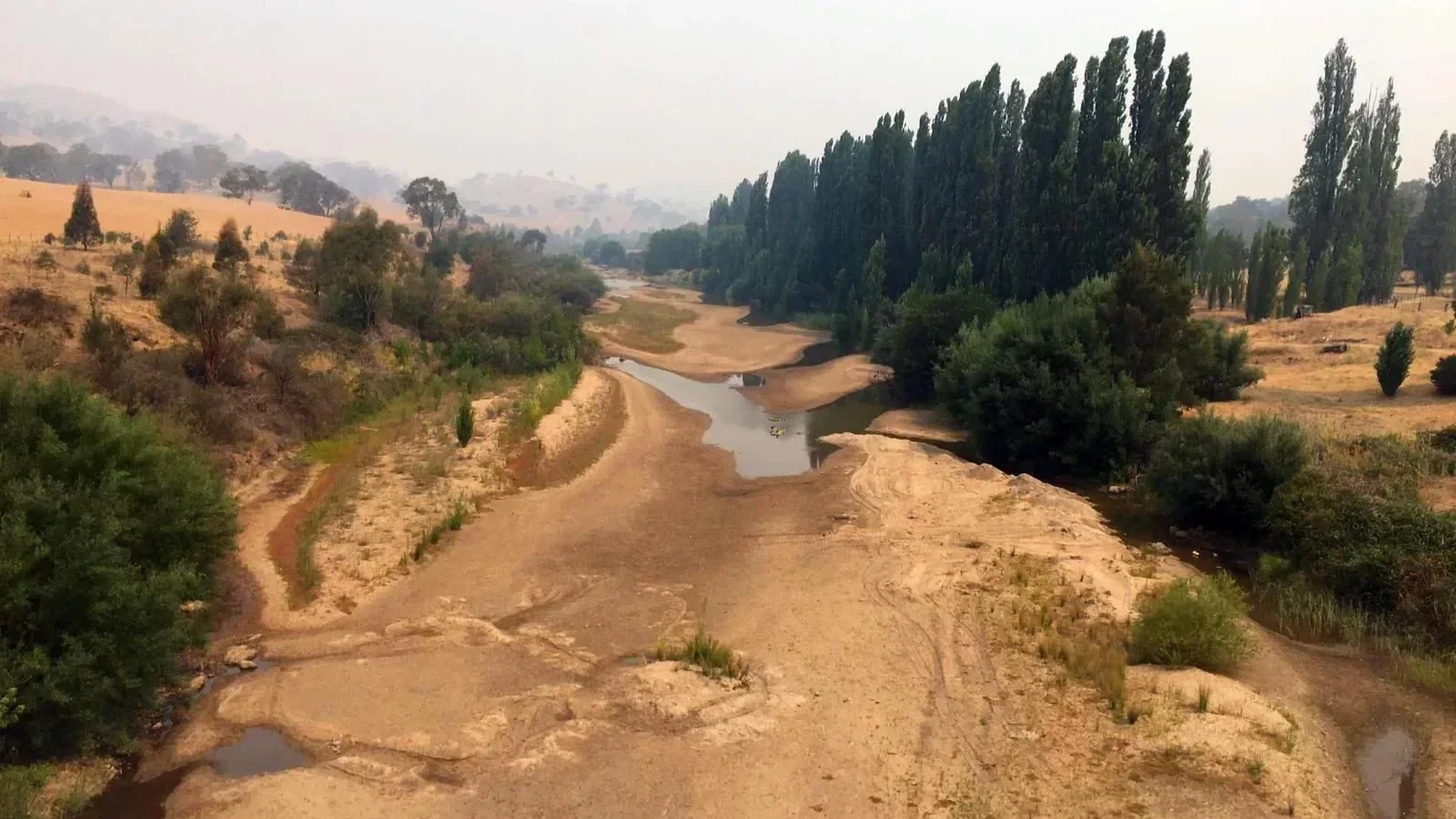
The Murrumbidgee River dried to pools in December 2019 - upstream of Tharwa Bridge. Photo credit: Simon Lowes.
The Panel heard strong concerns about water insecurity for urban settlements, particularly in the ACT, where the Upper Murrumbidgee is the territory’s third main source of municipal drinking water.
Yet despite this reliance, the ACT Government currently has no formal role in decision-making about the river’s management.
A broken system of governance
One of the clearest messages from the Issues Consultation Report is that the governance framework is outdated and exclusionary.
The Deed:
Has not been reviewed since 2002, despite major advances in water science and climate knowledge
Excludes the ACT Government, even though the river flows through the ACT and supplies its drinking water
Makes no provision for First Nations involvement, despite their deep cultural connection to the river
Is complex, ambiguous, and difficult to enforce, with no independent monitoring or public accountability mechanisms
The Panel notes that this complexity and lack of transparency undermine community trust and make it difficult to assess whether environmental objectives are being met at all.
Why the current approach is failing the river
The review identifies several operational flaws that directly harm river health:
Environmental water releases are planned 15 months in advance, making it impossible to respond to rainfall or drought conditions
Water releases are too small and poorly timed to mimic natural flow patterns
Unused environmental water cannot be carried over, limiting the ability to deliver meaningful flows in dry years
The result is a “set and forget” system that fails both the river and the communities that depend on it.
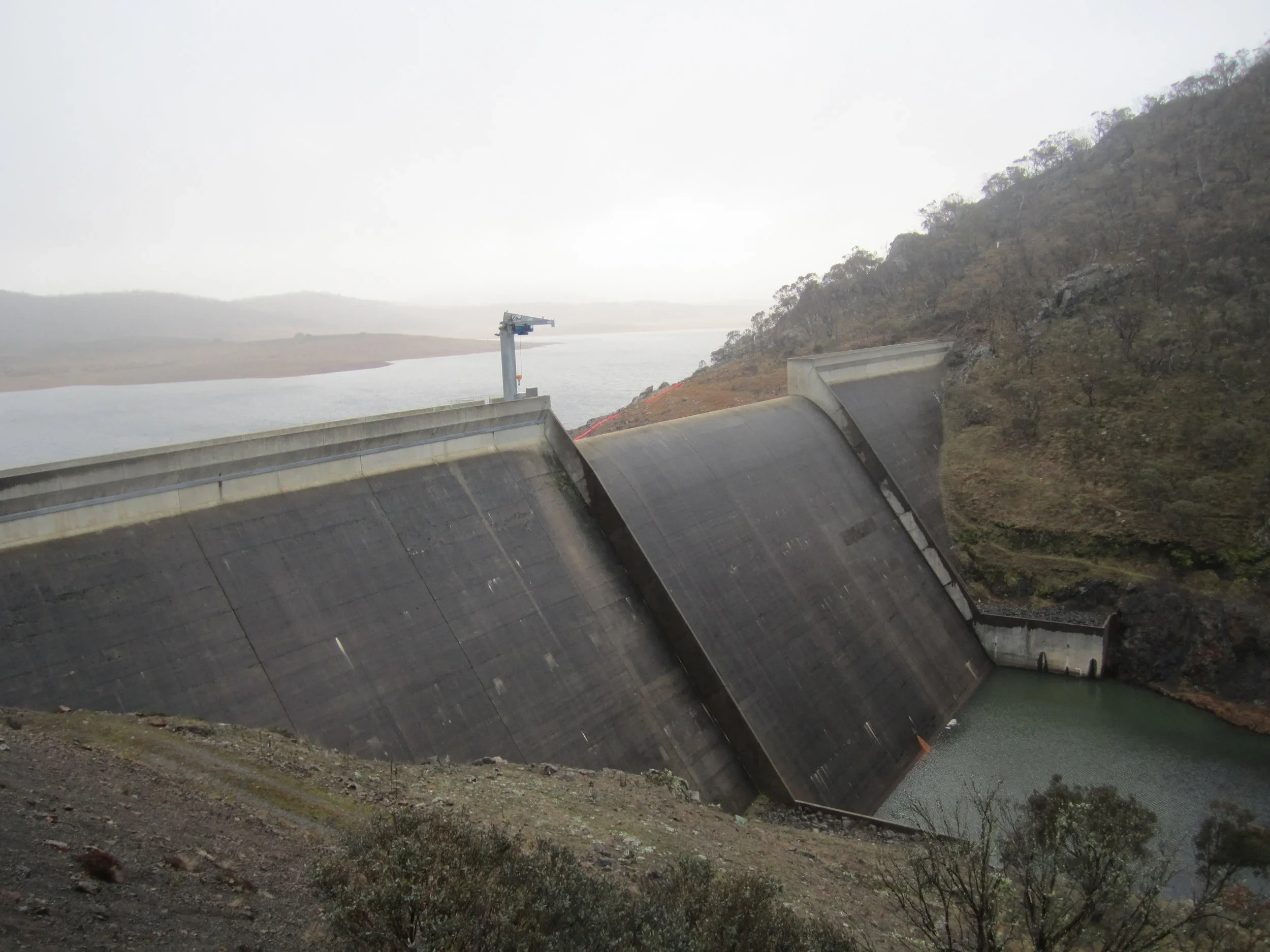
Tantangara Dam controls releases to the Upper Murrumbidgee. The Independent Review found these environmental flows to be inflexible and inadequate.
The case for change: modern, inclusive, adaptive water management
The Independent Review Panel is clear: the Deed needs to be modernised.
The review points to opportunities to:
Include the ACT and First Nations in decision-making
Align river management with the Murray–Darling Basin Plan and national water frameworks
Introduce measurable environmental targets, independent monitoring, and regular reviews
Enable flexible, adaptive water releases that respond to climate conditions
Balance river health with energy needs — without sacrificing one for the other
Importantly, the Panel stresses that improving river health does not mean ignoring energy security. Instead, it calls for smarter, more adaptive management that recognises both the climate emergency and the river’s ecological collapse.
Why your submission matters
This review is not a box-ticking exercise. The Panel is explicitly asking the public:
What does a healthy Upper Murrumbidgee River look like?
How should water be prioritised during drought?
How can governance be made fairer, more transparent, and more accountable?
What role should communities and First Nations play in caring for the river?
The recommendations from this process will shape water management for decades to come.
If people don’t speak up, the status quo - the same system that led to an abysmal river and a dry riverbed at Tharwa - risks continuing.
Take action before 13 February 2026
📄 Read the Issues Consultation Report
✍️ Make a submission to the Independent Review Panel
📬 Sign up to The Forgotten River for updates and actions
Your drinking water security depends on this river — and it’s running dry.
This review could help turn that around, but only if the community demands change.
Learn more about the SWIOID Review decision-making process here.