
‘Abysmal condition’ - why the Upper Murrumbidgee River needs you to respond to the Independent Review Panel Issues Paper
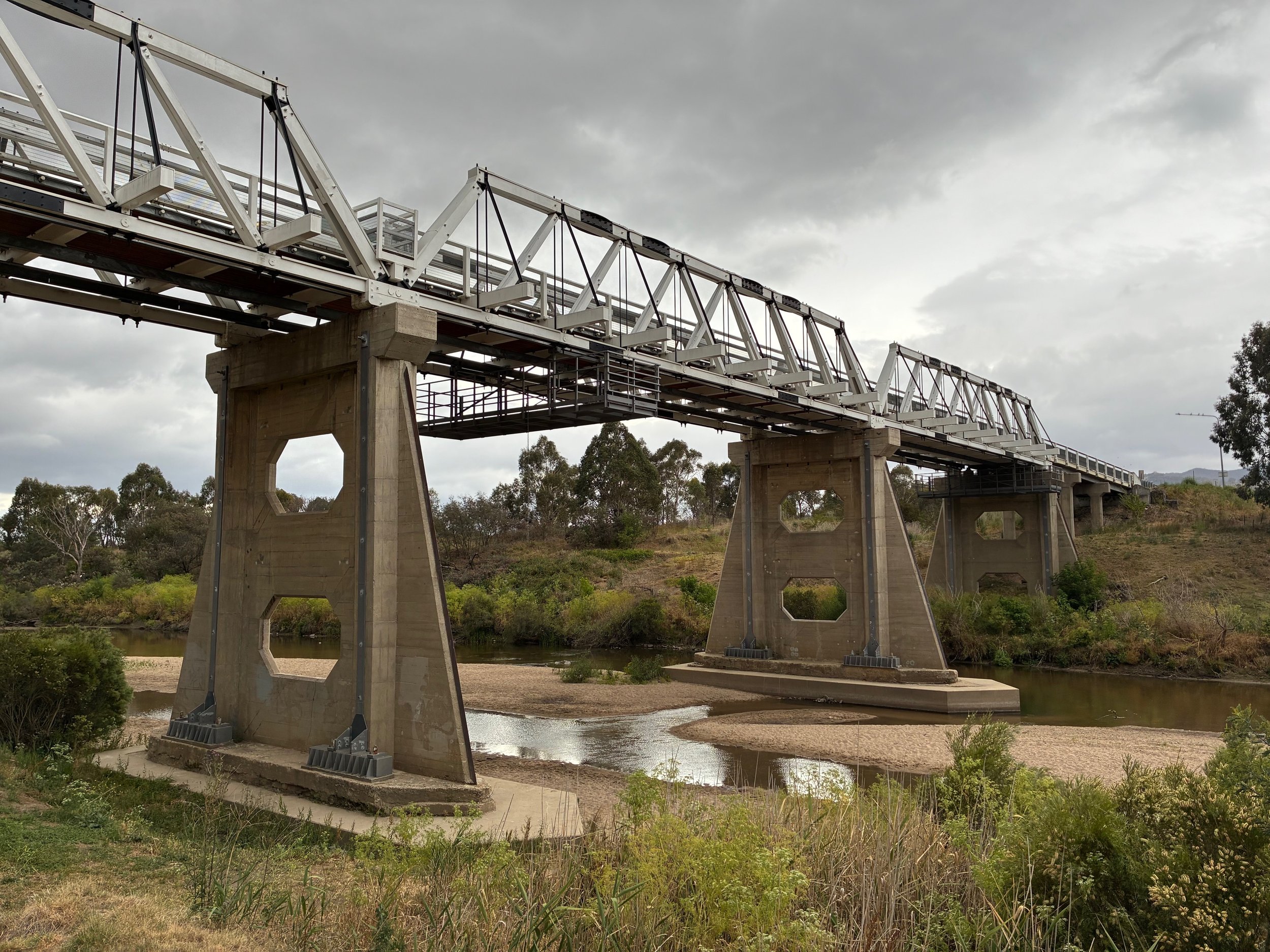
Dried pools of water lie at Tharwa Bridge (ACT) in December 2025.
“The current river health condition is abysmal”
“There is insufficient water released from Tantangara Dam to maintain the minimum river flows required to support the Basin Plan’s environmental objective”
“Reduced inflows have led to the accumulation of sand bars which have negative impacts on native species, including the endangered Macquarie perch.”
These are just some findings of from the Independent Review of the Snowy Water Inquiry Outcomes Implementation Deed (SWIOID) — the legal agreement governing how water is released from the Snowy Scheme into the Upper Murrumbidgee River.
For the first time in more than 20 years, this agreement is under formal review.
And critically, the public has been invited to have their say before submissions close on 13 February 2026.
Why this river matters?
The Upper Murrumbidgee River is not an abstract policy issue.
It:
Is the third source of drinking water for the ACT and surrounding region
Supports communities, farms, recreation and local economies
Holds deep cultural and spiritual significance for First Nations peoples
Forms part of the headwaters of the Murray–Darling Basin
When the river runs dry, people suffer.
In 2019, the Murrumbidgee stopped flowing at Tharwa Bridge, something that should never happen and was the impetus for our Forgotten River campaign. The Independent Review warns that climate change, population growth, and increasing demand will make these events more frequent unless water management changes.
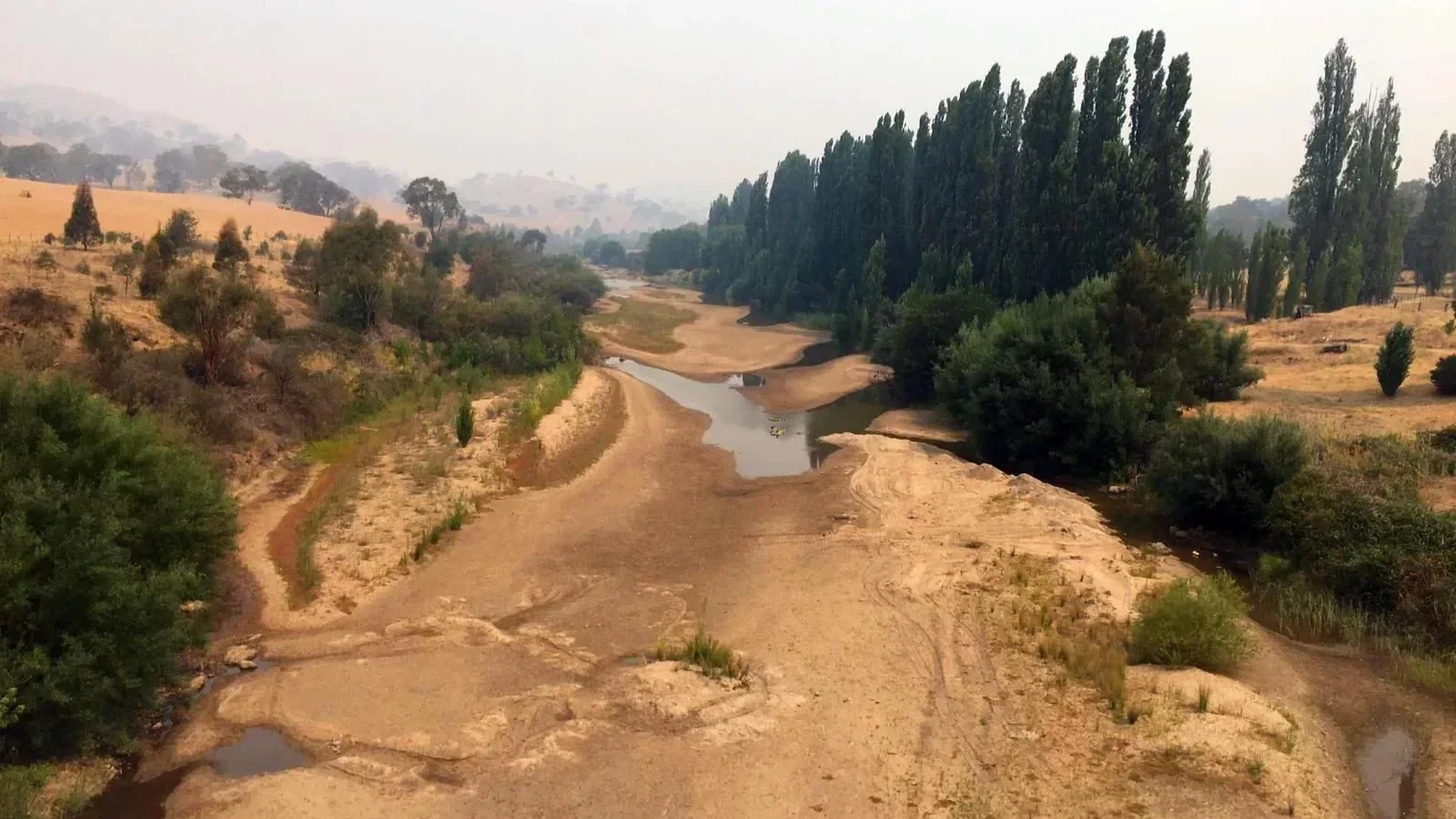
Shamefully this 2019 photo which we hoped to never see again was mirrored in Dec 2025, when the river dropped to dangerously low levels. Despite triggering the Drought Framework, no emergency action was taken. Photo credit: Simon Lowes.
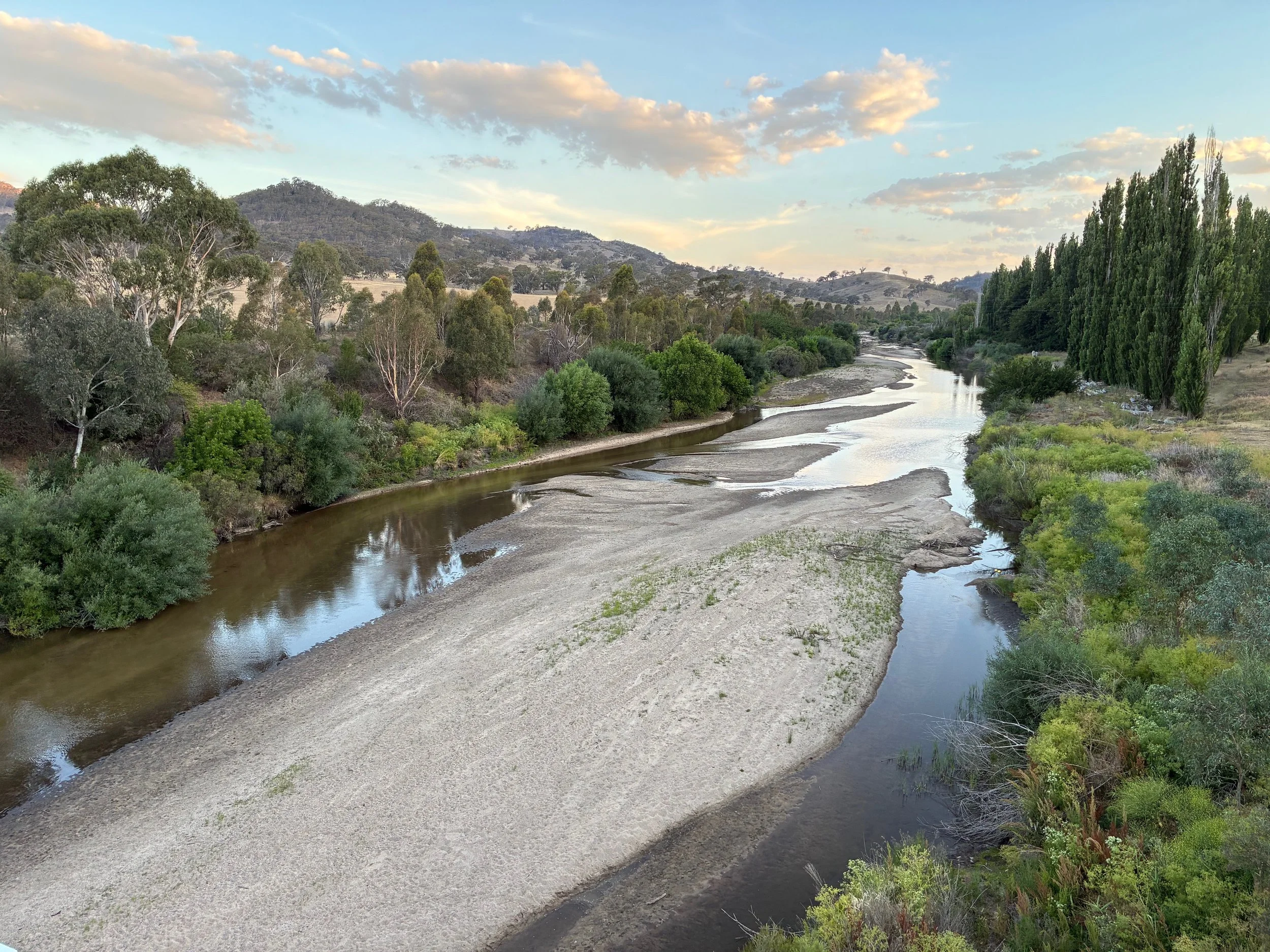
Tharwa Bridge Downstream, December 2025.
Why this review matters?
The Review identifies deep, systemic failures in how the river is managed. One of the clearest messages from the Issues Consultation Report is that the governance framework is outdated and exclusionary.
The Deed:
Has not been reviewed since 2002, despite major advances in water science, climate modelling and environmental flow management
Excludes key stakeholders, including the ACT Government, even though the river flows through the ACT and is a third source of drinking water.
Makes no provision for First Nations decision-making, despite their enduring connection to the river.
Relies on rigid, inflexible water releases planned up to 15 months in advance, making it impossible to respond to drought or rainfall
Lacks clear accountability, independent monitoring and transparency, making it difficult to assess whether environmental objectives are being met or to hold any party responsible when they are not.
The Independent Review Panel concludes that under current arrangements, environmental values are on a declining trajectory and water quality continues to worsen.
The river will not survive if the current arrangements continue.
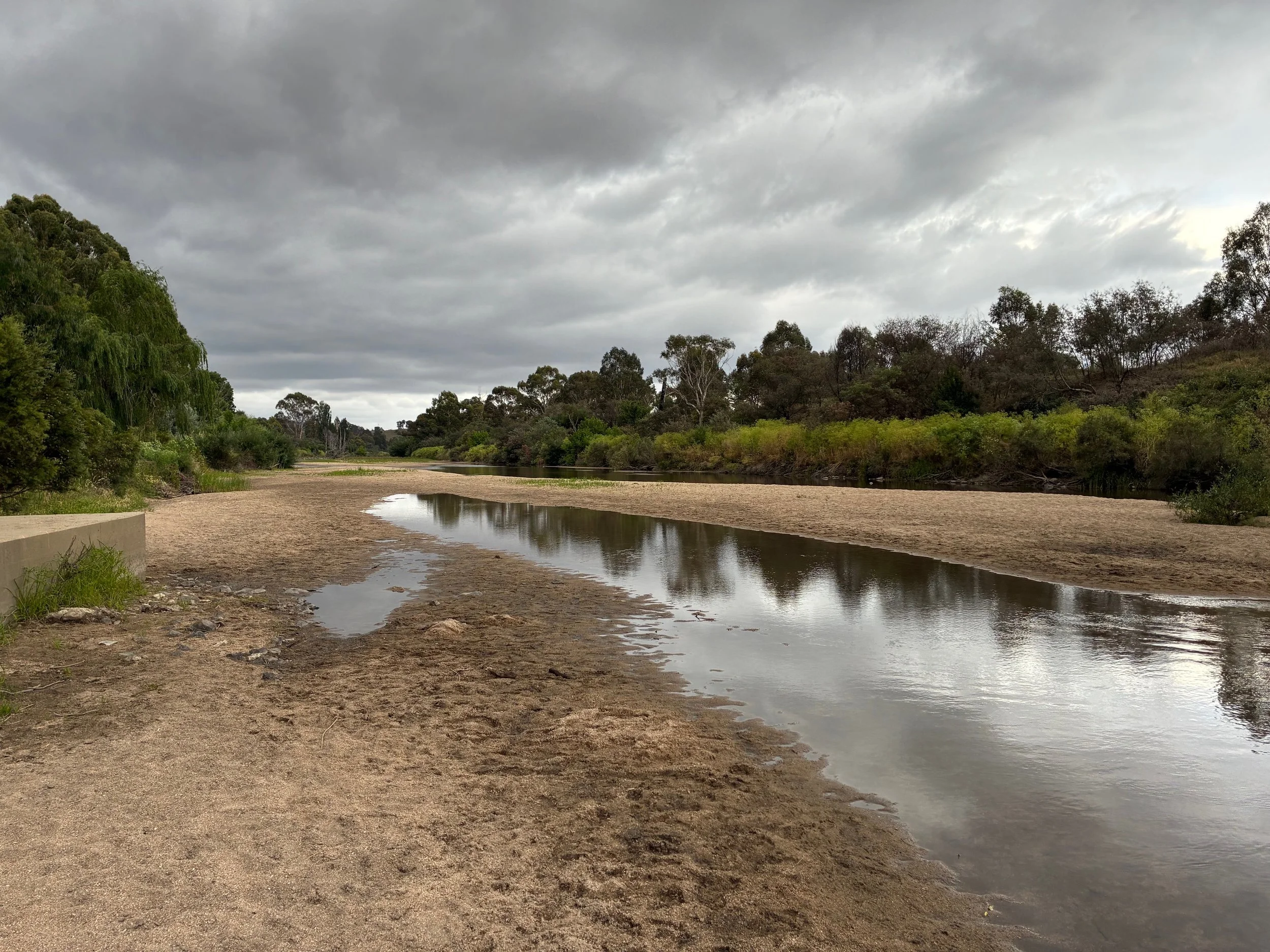
Tharwa upstream, December 2025
What can you do?
We’re asking you to submit your own feedback on the Independent Review Panel’s Issues Consultation Report. The submission process requires you to write and upload your own document. That may sound more complicated than it should be — but don’t worry we are here to help
While we encourage you to read the full report, we also understand that time is of the essence. That's why, we've broken the Review down into five key areas of concern. Read through each section below, copy the relevant facts if helpful, and write what you think, what you’ve seen, and what you believe needs to change.
-
What the Review says:
Reduced river flows are contributing to declining water quality across the Upper Murrumbidgee.
Cease to flow events present serious risks to human water security for towns and cities.
The Upper Murrumbidgee is the ACT’s third source of municipal drinking water, yet the ACT Government has no formal role in decision making about the river despite this reliance.
Climate change is expected to increase the frequency, duration and severity of drought conditions, placing further pressure on water security.
What you could write about:
Why having clean, reliable drinking water from the river matters to you, your family or your community.
What you remember or experienced when the river stopped flowing at Tharwa in 2019.
Why you think the river needs a minimum amount of water flowing at all times to stay healthy and safe.
Your concern that plans exist for drought but do not seem to be used when the river is in trouble.
Why the river and people should come first when water is scarce.
-
What the Review says:
First Nations peoples are excluded from governance arrangements under the Deed.
Cultural values of the river are not embedded in water management objectives or decision making.
Current arrangements do not align with national commitments under the Closing the Gap framework.
What you could write about:
What the river means to you culturally, spiritually or historically, even if you are not First Nations.
Why you believe First Nations people should be involved in decisions about the river, not just consulted after decisions are made.
Why caring for the river is about more than water, and is part of caring for Country.
Your support for water being managed in ways that respect culture, history and long-term connection to place.
-
What the Review says:
Low and poorly timed flows reduce river amenity and accessibility.
Environmental water releases are not designed to deliver broader social or recreational outcomes.
What you could write about:
How you use the river for swimming, fishing, paddling, camping or simply spending time near the water.
How low water levels or poor water quality have affected your ability to enjoy the river safely.
How spending time near a healthy river supports your mental health and wellbeing.
Why a living, flowing river is important for community life, not just the environment.
-
What the Review says:
The Deed is outdated and inconsistent with contemporary water law and policy.
Complexity and ambiguity in the Deed make compliance, enforcement and accountability difficult.
Governance arrangements are outdated and exclusionary.
Decision making lacks transparency and accountability.
Water releases are inflexible and poorly adapted to real time environmental conditions.
Community trust in the current system is undermined.
What you could write about:
Why you think the rules for managing the river should be clear, up to date and easy to understand.
Why you think the ACT should have a say in decisions about the river, especially since it supplies our drinking water.
Why the rules should be reviewed regularly so they keep up with climate change and new science.
Why water decisions should be able to change based on drought, rainfall and what is happening in the river at the time.
Why making electricity should not come at the cost of a dying river.
Why decisions about the river should be open, transparent and involve the community, not made behind closed doors.
-
What the review says:
The environmental condition of the Upper Murrumbidgee is unacceptable.
Highly modified flows have disrupted ecological processes across the river.
Threatened aquatic species, including Macquarie perch, are at increasing risk.
The Deed does not include clear obligations to protect biodiversity or prevent local extinctions.
What you could write about:
Species you have seen decline or disappear.
How low flows, sand accumulation and disconnected pools affect fish and other aquatic life.
The importance of continuous baseflows to maintain refuges during drought.
Why biodiversity protection should be expressed in measurable outcomes rather than broad intentions.
Support for staged increases in environmental flows linked to specific ecological outcomes.
Once you’ve put everything you want down, submit your document by 5pm Friday 13 February 2026 at: https://consult.dcceew.gov.au/swioid-independent-review
Let’s make sure our voices and concerns are heard and to help push for real change that protects the Upper Murrumbidgee River, our drinking water and the communities that depend on it.
Need inspiration? Read through our submission and use any parts that align with your own concerns and experiences.