
Have your Say: What you'll learn from the SWIOID IRP Draft Report – and how you can respond by 4th August
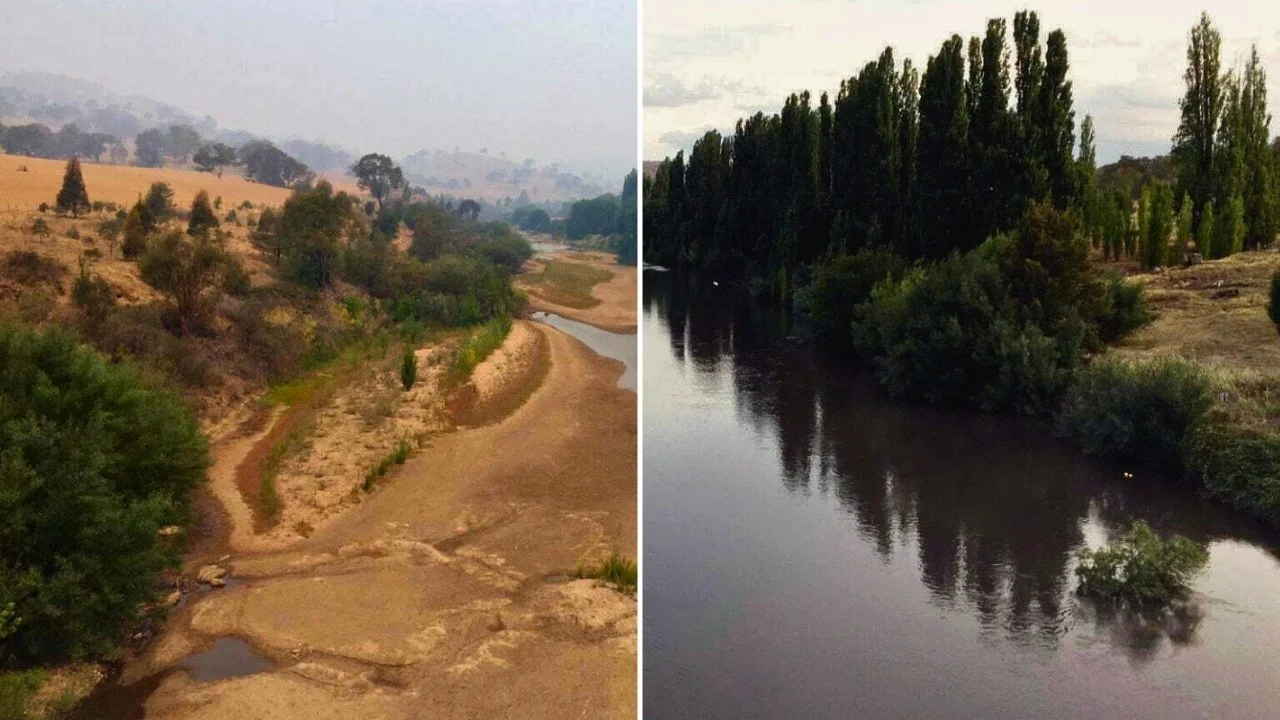
The future of the Upper Murrumbidgee is being decided now. This is our chance to speak up and ensure it’s survival.
Summary:
An independent panel has just finished the first proper review of the Snowy Deed in over 20 years and its verdict is blunt: the current rules are failing, and without reform the Upper Murrumbidgee faces what the Panel itself calls a "gradual death."
The Panel found the river's decline is already putting water security and our health at risk.
The fix is on the table right now. The Panel recommends returning up to 30% of average natural flow to the river, and it can start happening without a single water buyback.
The cost to the electricity grid is tiny and modelling puts the impact at somewhere between 0.05% and 0.1% of total National Energy Market generation.
We support hydro energy and Snowy Hydro's role in renewable power. We can have both a reliable, clean grid and a healthy Bidgee at the same time – it’s not about giving one up for the other.
Traditional Custodians are virtually invisible in the current governance of this river. With no formal decision-making role and no water entitlements of their own, they've been locked out of caring for a river through cultural practices that help keep the river healthy.
You have until 5pm, 4 August 2026 to tell the government you want this reform to happen – it takes most people under ten minutes (please use our Submission Guide to make that even shorter).
The Upper Murrumbidgee, and the communities advocating for it, have been waiting a long time for an official body to say, plainly, that the way it's been managed isn't working. This week, an Independent Review Panel has said it, loud and clear:
"The poor state of the Upper Murrumbidgee River at times provides a risk to water security and human health."
After more than seven months of technical modelling, community consultation and expert analysis, the Panel released its Draft Report on the Snowy Water Inquiry Outcomes Implementation Deed (the "Deed"). The Deed is the legal agreement that decides how much water Tantangara Dam releases into our river each year. The findings are the strongest official statement we've seen yet on what's happening to the Bidgee, and what needs to change.
What the report says
The verdict: the current system is failing
The Panel found that the Snowy Deed (signed in 2002 and never comprehensively reviewed since) has fundamental design flaws, not just implementation problems.
In its report’s own words:
"The status quo is not sustainable... The impacts of ecosystem collapse and degradation of the river system create broader impacts on urban water security, human health (water quality), regional economic growth, social and cultural wellbeing."
And on what happens if governments choose not to act:
"Such a decision will effectively condemn the Upper Murrumbidgee to a gradual death."
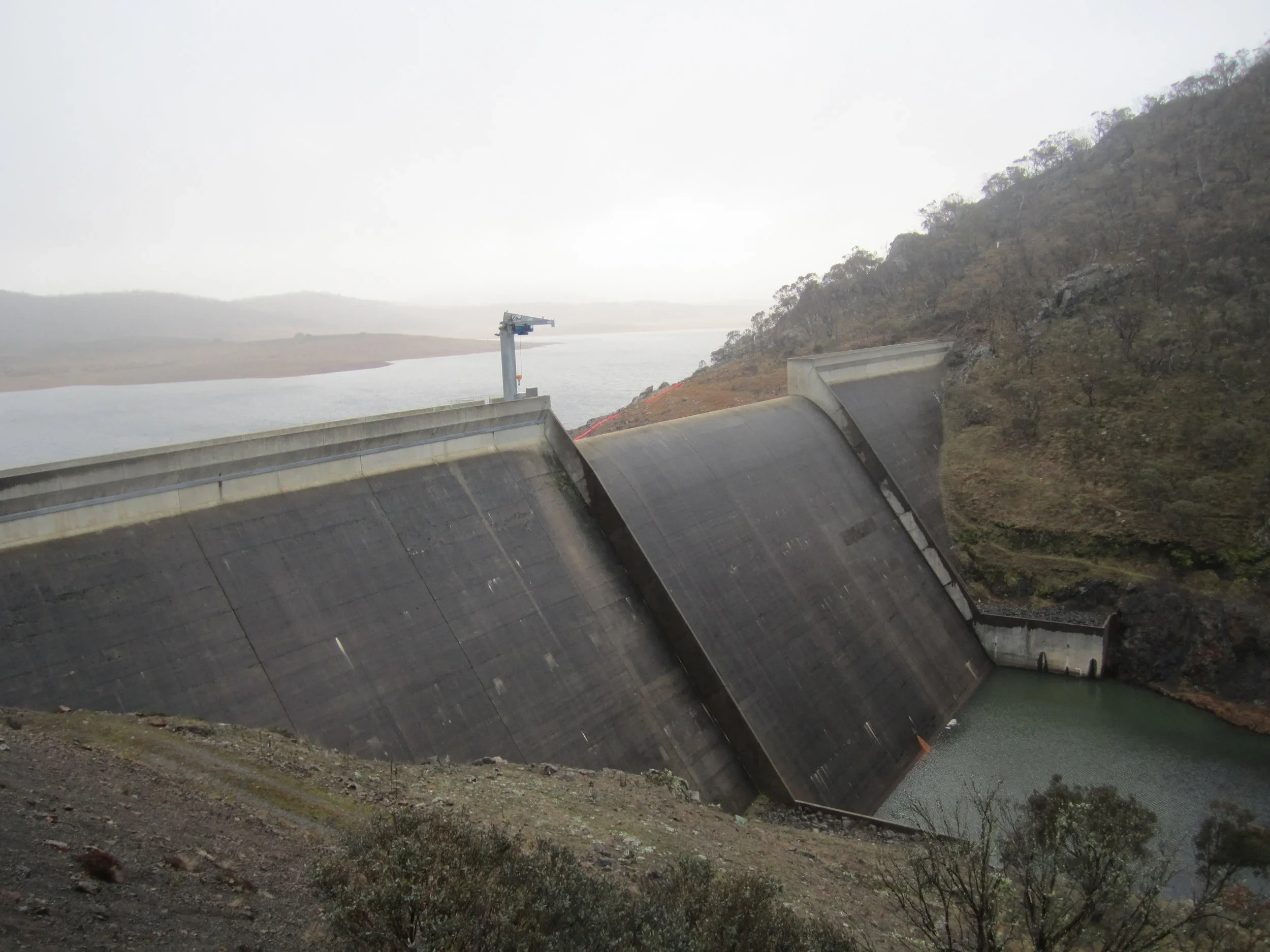
The decisions made at Tantangara Dam shape the river downstream.
The design flaw: The requirement of 27GL is not 30% of natural flows
For years, the river's environmental flow target has been working off a miscalculation. Here's how the numbers actually break down:
Natural flows: the river naturally gets about 290 billion litres (GL) of water a year at Tantangara.
What was intended: Informed by the 1998 Snowy Water Inquiry's 30% benchmark, the requirement was meant to return 30% of natural flow.
What was actually set: the 2002 Deed set the target at just 27 GL, which is only around 9–10%.
What's been delivered: Sadly, even the set requirement hasn't been met. Actual deliveries have averaged about 21 GL a year, roughly 7–8%.
What's expected next year: on current settings, the river is set to receive just 2% of its average annual inflow, even less than the flawed target it's already failing to meet.
Let’s explain next year with a simple analogy: Health guidelines say most adults need around 2 litres of water a day to stay healthy. Now imagine being handed just 40ml of that (less than three tablespoons). That's what 2% looks like. It's a river being left to survive on sips.
The Panel's fix is staged but clear: lift flows first to 68 GL (about 23%), then to a genuine 87 GL (30%), so that for the first time, 30% actually means 30%.
What’s needed for this to happen: A new Deed
The Panel is recommending the Deed be scrapped and replaced with a new four-government agreement between the Commonwealth, NSW, Victoria and the ACT. The current Deed doesn't even include the ACT in it, despite Canberra relying on this river as its backup third source for drinking water in critical times.
Alongside a new deed, the Panel recommends:
A new independent Snowy Water Commissioner to resolve disputes and hold everyone to account
Five-yearly audits and ten-yearly reviews so the system can no longer go 20+ years without a check-up
Catchment restoration running in parallel with flows, because more water alone won't fix a river choked with sediment and eroded banks
A genuine First Nations custodianship framework, after two decades in which First Nations people have had no formal role in decisions about this river. This is a gap that ties directly to Australia's Closing the Gap commitments.
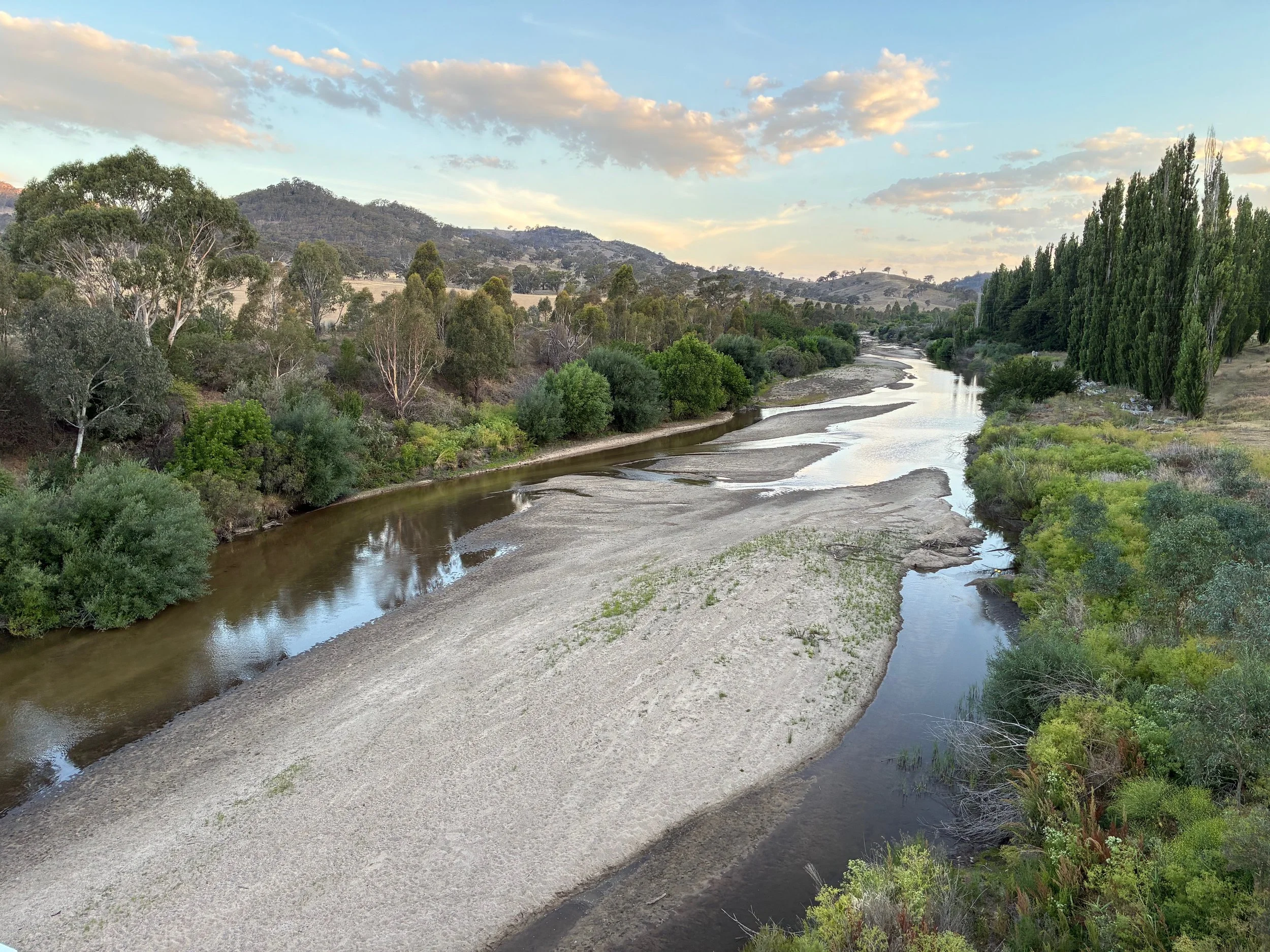
The Upper Murrumbidgee ran dry again in late 2025, a sign of what's to come if government doesn't act on the draft report's recommendations.
What The Forgotten River thinks
We've spent years watching this river shrink, being closed to swimmers, and turn green with algae in summer. This report is the first time an independent, government-commissioned panel has looked at all the evidence and said what communities along the Bidgee have known for a long time: the current settings are killing the river and the fix is affordable, available and overdue.
A few things stand out to us:
This isn't a big ask. Returning 30% of natural flow isn't some radical upper limit, it's the bare minimum the Panel says the river needs just to stop dying. A healthy flow regime for a nationally significant river shouldn't be a big ask in 2026.
This was never really a "rivers versus energy" choice. The numbers are there: it’s only a fraction of a percent of national electricity generation against a river the Panel itself says faces a gradual death. We refuse to accept that trade-off as inevitable.
This isn't just an environmental issue. It's part of Cooma and Canberra's drinking water. It's where our kids swim and where we fish. It's cultural lifeblood for First Nations people. And when the Bidgee ran dry near Tharwa in 2019 and again in 2025, it wasn't an abstract statistic to us, it was our community left without water security in the middle of bushfire risk.
Decisions about this river shouldn't happen behind closed doors. The Panel's own review process brought together stakeholders, First Nations voices and technical experts, and found that current governance too often doesn't. We think that same openness needs to carry through into how decisions get made from here.
What happens here won't stay here.With the report's recommendation to revisit the Snowy River's unmet flow targets, we think this could set a benchmark for how Australia manages the rest of the Snowy Scheme, and other under-protected rivers beyond it.
If the Bidgee were a hospital patient, the patient would be in the ER and this report is the diagnosis. We know what's wrong and we know the treatment. The only question left is whether we act on it.
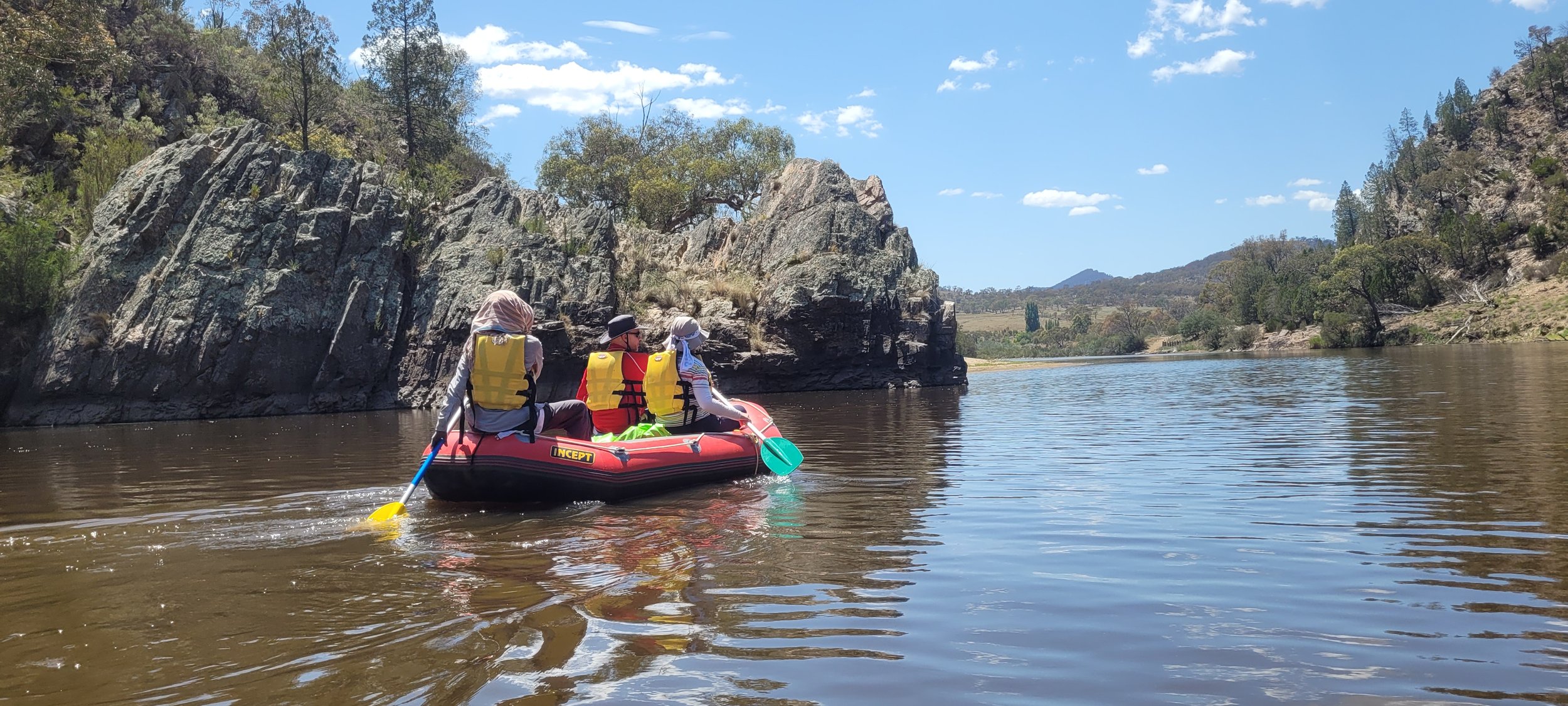
The Upper Murrumbidgee is more than a resource. It's a place people come to enjoy, explore and connect.
Have your say — here's how:
The report is open for public submissions now and closes 4 August 2026.
Submissions go directly to the decision-makers who will decide whether this reform happens. You don't need to be a water expert, and you don't need to write an essay. Every submission counts including short ones, and personal stories carry real weight.
To make it easier, we've put together The Forgotten River Submission Guidewith our suggested responses so you can use this or simply be inspired to write your own response.
“But what about .....?” Debunking the misinformation:
Some misinformation is already circulating about what this review means. Here's what the Panel actually found:
Great outcomes with little effect on energy markets:
The Panel have worked with Snowy Hydro to model the costs properly and found the impact on the National Electricity Market sits at just 0.05–0.1% of total generation, smaller than the market's normal day-to-day fluctuations. The myth that is being perpetuated is that improved river will make energy more expensive, however it won't.
Snowy Hydro will need to be flexible in balancing energy production with water delivery:
The Panel's modelling found no material threat to grid security and no evidence the recommended flows would cause blackouts. Snowy Hydro will need to be flexible, and timing of releases can be planned around peak electricity demands. This small change will not change electricity reliability.
Snowy 2.0 was included in the energy modelling. Its pumping and storage capacity is far larger than the generation lost to environmental flows. Under Snowy 2.0, water will be able to move readily between most of the Snowy dams. Energy experts showed there are no material loss to Snowy 2.0's long-term energy storage role.
Potential changes in water availability will be actively managed:
Detailed water modelling found a small change to water access for downstream users. Nonetheless, these changes are important and will be managed. The ACT is being asked to contribute water entitlements to offset any transmission losses.
Overall, the financial benefit of improved river health is positive:
The Panel's cost-benefit analysis found a net community benefit, with a benefit-to-cost ratio of up to 1.25 to 1. And doing nothing isn't free either – it comes with its own costs in water quality decline and future water security risks.
Once you've made your submission, let us know in the comments below so that we can encourage one another to rally behind this river.