
Webinar LIVE: The Future of Macquarie Perch in the Upper Murrumbidgee
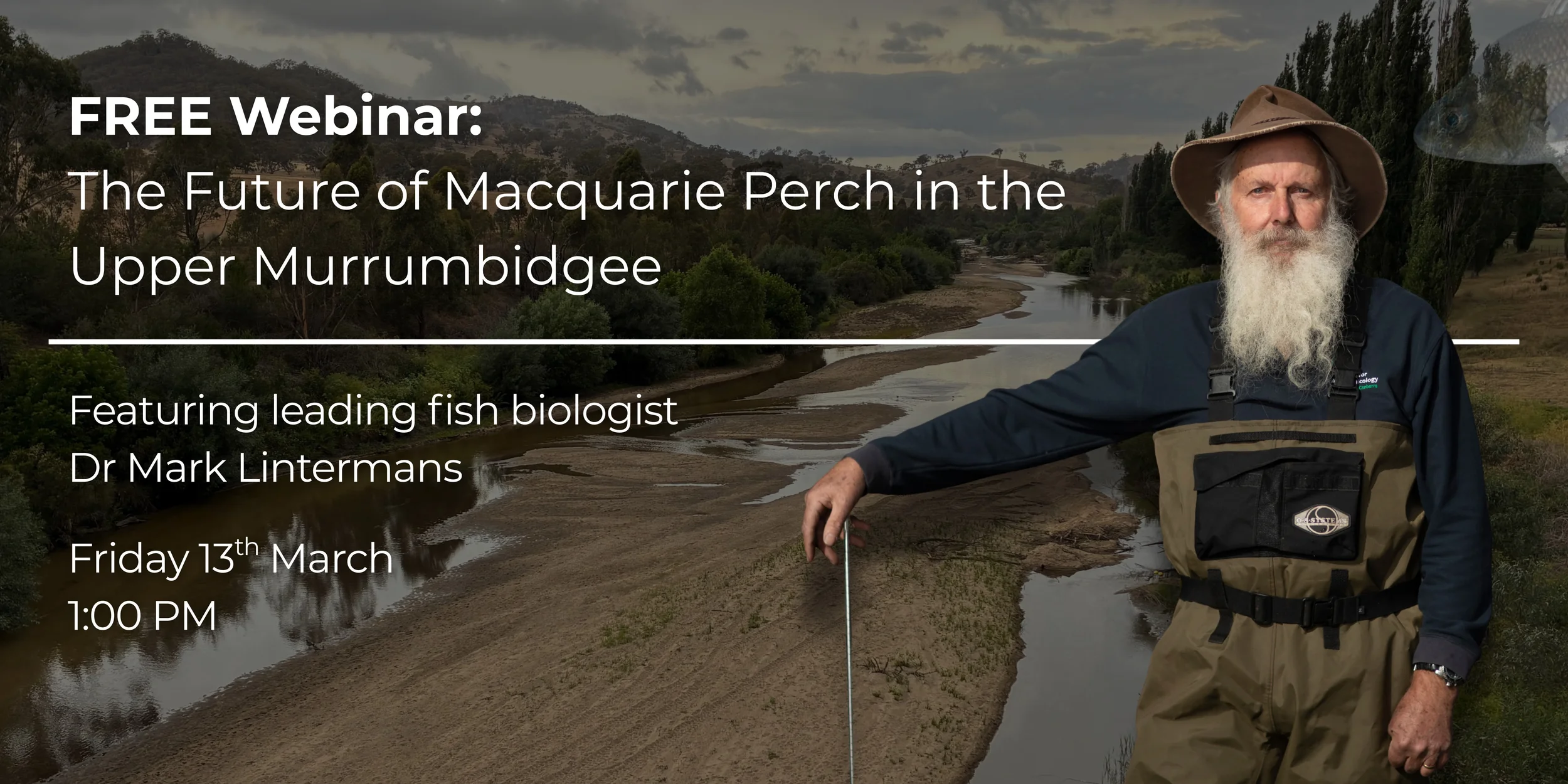
One of Australia’s most iconic native fish is hanging on by a thread in the Upper Murrumbidgee River. The threatened Macquarie perch still survives here, but the population is fragile and its future is far from secure.
In this webinar, leading freshwater fish ecologist Dr Mark Lintermans draws on decades of monitoring and research to explain what is happening to Macquarie perch populations and why river flows are critical to their survival. Speaking live from Adaminaby after a morning in the river, he shares insights from the field on the current condition of the species, the challenges facing the Upper Murrumbidgee, and why restoring healthier flows will be essential for the recovery of this important population.
All of the work we do through The Forgotten River project is currently unfunded. If you’re able to spare even $1, it would go a long way in helping us continue sharing science, raising awareness, and advocating for a healthier Upper Murrumbidgee.
A big thank you to Dr Mark Lintermans for sharing his decades of research and to Terry Korodaj for helping make the webinar possible. Like us, they generously contribute their time and expertise to this work, and we are very grateful for their support.
Why This Matters
The Upper Murrumbidgee River supports one of the most important remaining populations of Macquarie perch in Australia. It is the longest remaining population in New South Wales and one of the top three nationally, making it critically important for the species’ survival.
However, the outlook for this iconic native fish is deeply concerning:
Six of the eight Macquarie perch populations upstream of Burrinjuck have been lost since the 1980s.
The remaining population survives along around 95 km of the Upper Murrumbidgee, but this stretch is highly fragmented by barriers caused by reduced river flows, limiting fish movement.
Genetic research shows the population is highly vulnerable, with low genetic diversity and poor connectivity between sites, and very small numbers of breeding adults in many areas.
In some locations, only a handful of fish may contribute to breeding each year, increasing the risk of inbreeding and local extinctions.
River habitat is deteriorating, with long-term monitoring showing around 30% of pool depth lost since the late 1990s due to sediment build-up.
These deeper pools are critical refuges for fish and other aquatic species during drought and extreme heat.
The river currently receives less than 10% of its natural flow, which researchers say is insufficient to maintain habitat, move sediment, or reconnect fish populations.
Webinar resources
Thank you again for your interest in the future of the Upper Murrumbidgee. If the river could speak, we’re sure it would thank you for being here and for caring about its future.
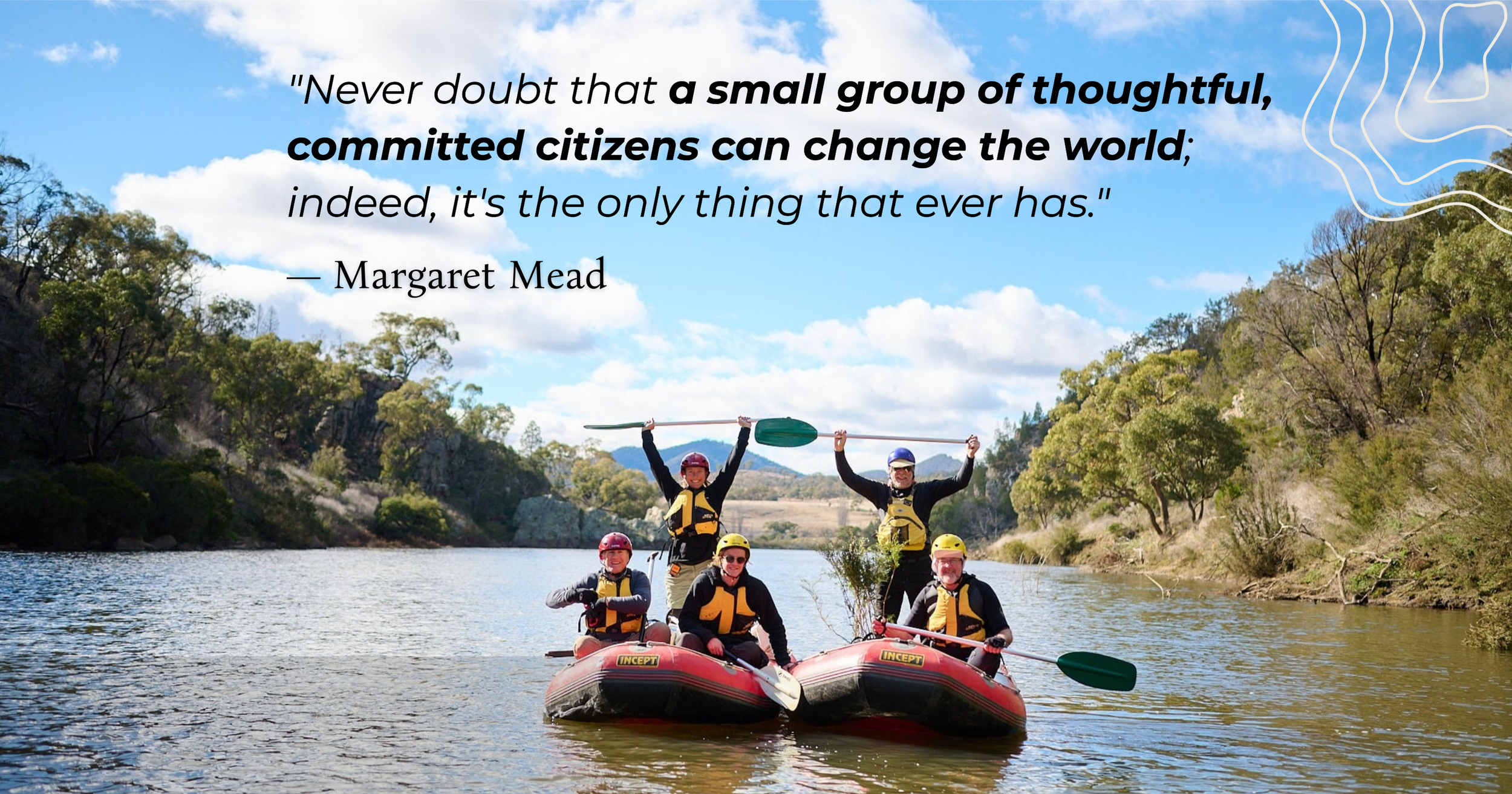
Photo Credit: Pew Pew Studios & Upper Murrumbidgee Demonstration Reach